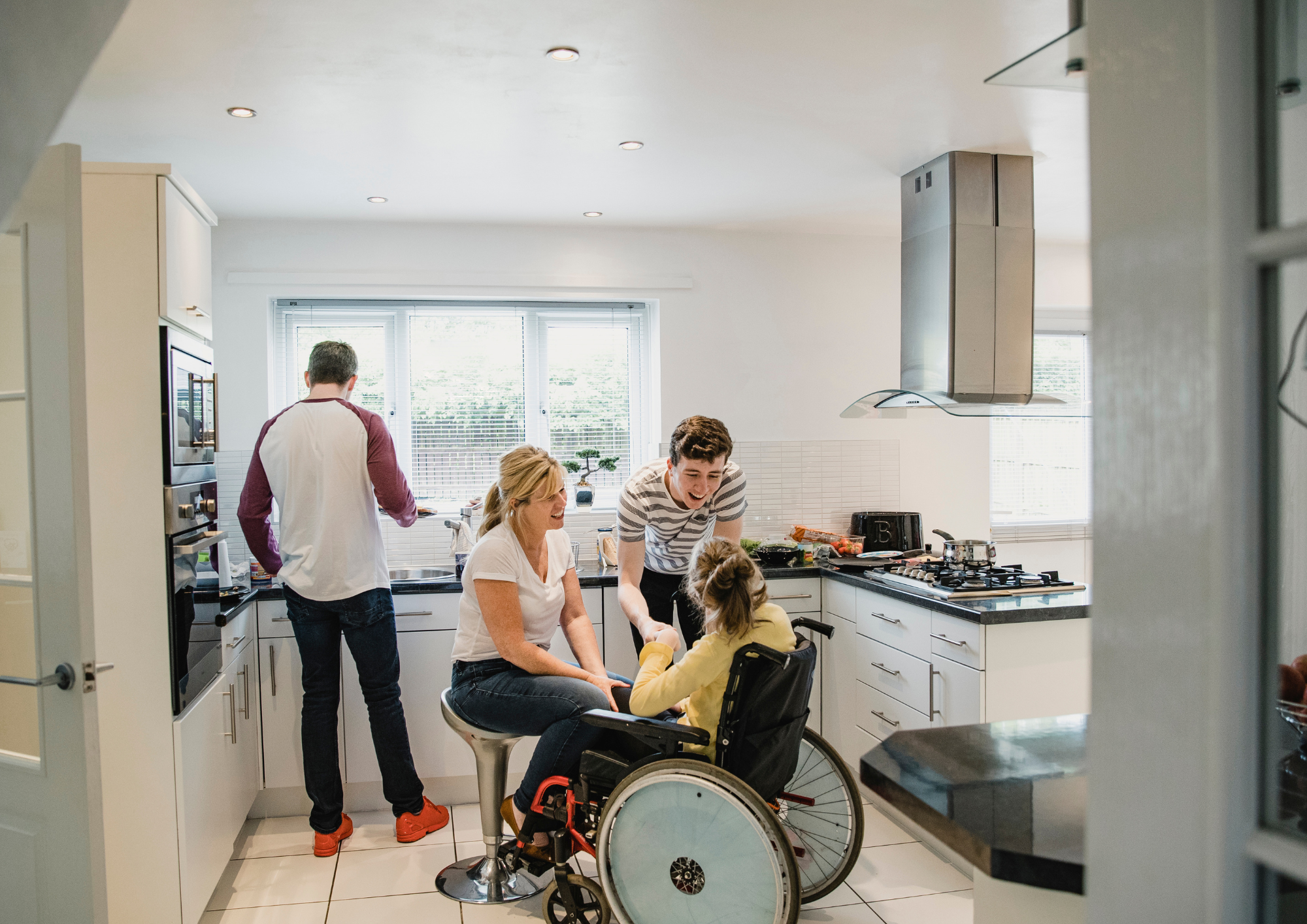


Family relationships don’t disappear when complex care begins – they simply take on new dimensions.
Professional care teams understand that families bring irreplaceable knowledge about their loved ones, and the best care arrangements build on these strong foundations rather than replacing them.
At HASCS, we see families as essential partners in creating care that truly works. Your insights help us understand not only medical conditions but personality, preferences, and what brings joy to daily life.
How Family Knowledge Makes All the Difference
You know your loved one in ways that no clinical assessment can capture. Their sense of humour, how they communicate when they’re worried, their favourite activities, and what motivates them. All of this matters enormously in creating care.
Many families discover that professional support can enhance their relationships. When trained specialists handle medical tasks, family time can focus on connection, shared interests, and simply enjoying each other’s company.
Staying Involved in Care Decisions
Good complex care providers actively welcome family involvement because they know it leads to better outcomes. You should expect regular opportunities to contribute to care planning, help new team members understand your loved one’s preferences, and provide feedback about how things are working.
Your involvement makes a real difference in several key areas:
- Care planning meetings: Your insights shape daily routines and approaches
- Staff introductions: Help new team members understand personality and communication style
- Quality monitoring: Spot changes in wellbeing that others might miss
- Emergency planning: Guide how teams respond based on your loved one’s typical reactions
- Goal setting: Ensure care supports your family member’s personal aspirations
Working Together as Partners
The most successful complex care arrangements happen when families and professional teams work as genuine partners. Each brings different but complementary strengths to supporting your loved one’s wellbeing and independence.
- Professional carers provide medical expertise, equipment management, and clinical monitoring.
- Family members provide emotional support, advocacy, and a profound understanding of what makes life fulfilling. Both roles are essential for comprehensive care.
Regular communication at the junction between family and carers helps this partnership flourish. Most families find that scheduled check–ins work well – perhaps weekly conversations or monthly meetings to discuss progress and any adjustments needed.
Different Strategies for Different Families
Not every family wants to be involved in the same way, and that’s perfectly fine. Some families prefer being hands-on with daily routines, while others prefer to focus on emotional support and advocacy, leaving the technical care to professionals.
There’s no right or wrong way to do this. What matters is finding what works for your family and your loved one. Good care providers work with your natural style rather than forcing everyone into the same mould.
Beyond care meetings, there are many natural ways to maintain your central role in your loved one’s life:
- Regular social activities: Plan outings, family meals, or hobby time together
- Communication with care teams: Stay informed about daily experiences and progress
- Advocacy: Ensure your loved one’s voice is heard in care decisions
- Future planning: Help guide decisions about housing, education, or work opportunities
- Celebrating milestones: Acknowledge achievements and special occasions together
These connections help ensure that professional care extends and supports rather than replaces family bonds.
Building on Your Foundation
At HASCS, we recognise that every family is different, and we work with your existing relationships rather than attempting to change them. We take the time to get to know your loved one properly – their medical needs, what they enjoy, what motivates them, and what brings them happiness.
Want to talk about how professional care could work with your family? Contact our friendly team. We’d love to hear about your situation and discuss how we can help.