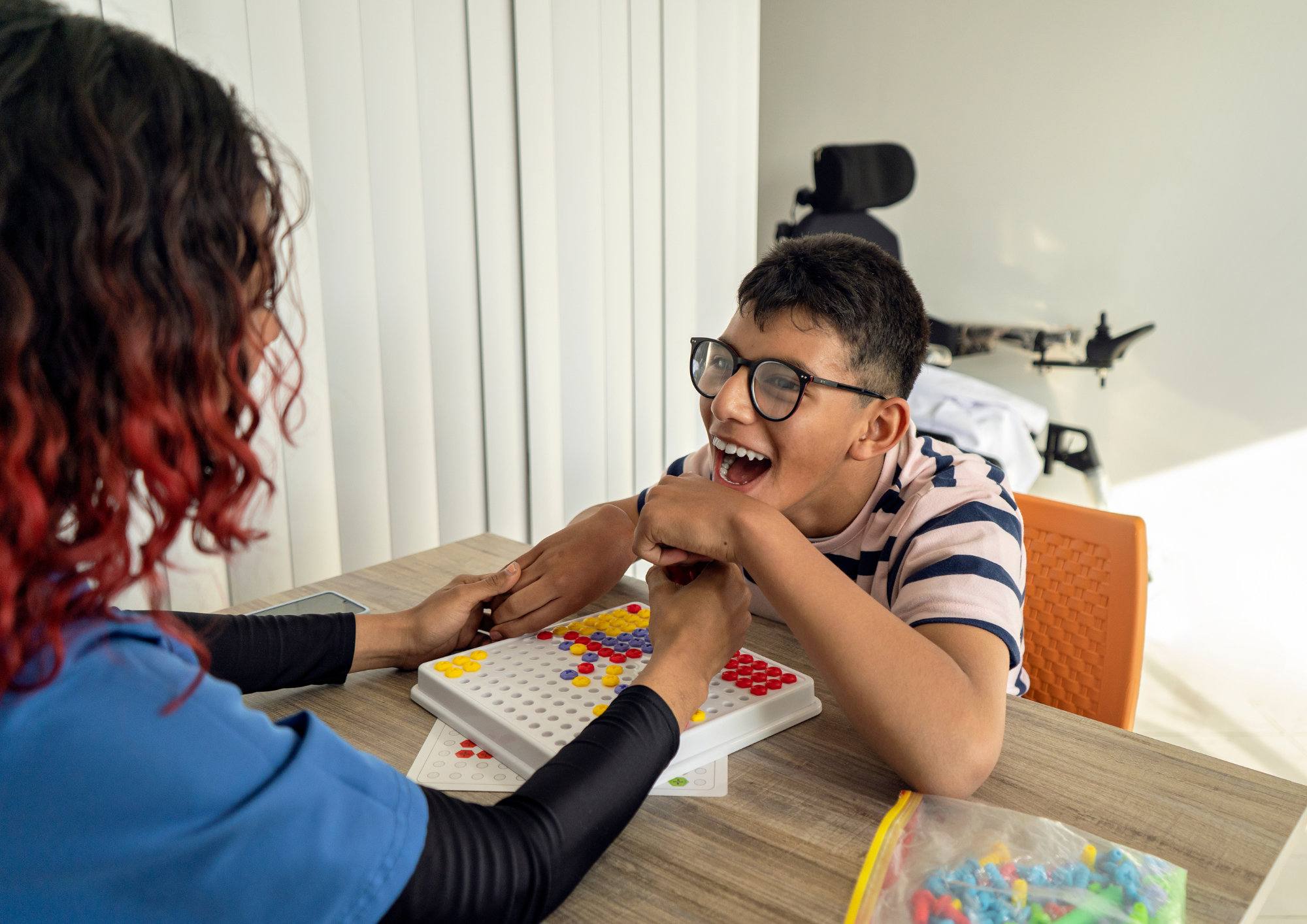


Supporting someone with a complex medical condition requires far more than just clinical knowledge.
Each person’s needs are unique – affected by their condition, circumstances, goals and daily routines.
Modern care has evolved hugely, moving beyond basic medical support to truly understand and adapt to these individual requirements.
Whether it’s enabling someone to continue their education, maintain a career, or simply enjoy their favourite activities, the key lies in creating flexible, personalised support.
The Art of Adaptive Care
Every individual deserves support that matches their exact circumstances. This might mean managing a rare genetic condition, recovering from a life-changing injury, or living with a progressive illness.
Success comes from understanding not just the medical component but how care can be modified to enhance daily life.
As techniques and technologies advance, the ability to flex and adjust care approaches becomes all the more important.
Understanding Different Care Requirements
The range of conditions requiring specialist support is vast and varied. Some individuals need help with complex medical equipment, while others focus on mobility, communication or maintaining independence.
Here’s an overview of how care requirements can vary:
- Neurological Support: Conditions like multiple sclerosis and motor neurone disease demand constantly shifting approaches. Care teams must adapt daily, perhaps focusing on mobility exercises one day and communication support the next.
- Life-Limiting Conditions: Supporting individuals with rare genetic disorders or progressive conditions requires exceptional attention to detail. Care teams work closely with families to spot subtle changes, adjusting support methods before larger challenges develop.
- Rehabilitation Journeys: Following brain or spinal injuries, support needs often change dramatically during recovery. Care packages must flex to match progress, maintaining motivation while ensuring safety.
Working Hand in Hand with Families
Family knowledge is vital when creating effective care solutions. Family members and guardians often notice subtle changes in behaviour or well-being before they become obvious to others.
The care teams at HASCS actively build strong relationships with families, learning from their experiences and insights. Regular catchups become valuable opportunities to discuss everything from medication timing to favourite activities.
We’ve found that families often suggest brilliant practical solutions – from the best way to encourage someone to take their medicine to how to make physiotherapy exercises more engaging.
Training for Adaptability
Complex care needs present unique challenges. Our care teams receive specialist training in areas like ventilator management, epilepsy care and postural support.
Through hands-on practice and regular training, our carers develop the confidence to handle unexpected situations. They also learn to identify early warning signs of complications, understand how conditions interact, and adapt techniques as needs change.
Building Future-Proof Support
True care excellence comes from understanding how each person’s journey unfolds.
Some will progress from needing intensive support to achieving greater independence.
Others may require increasing assistance as their condition changes. Whatever direction that journey takes, care must adapt alongside them.
At HASCS, we’ve seen how flexible, responsive care makes a genuine difference. Want to explore how we could support you or your loved one?
Let’s have a conversation about your specific needs.