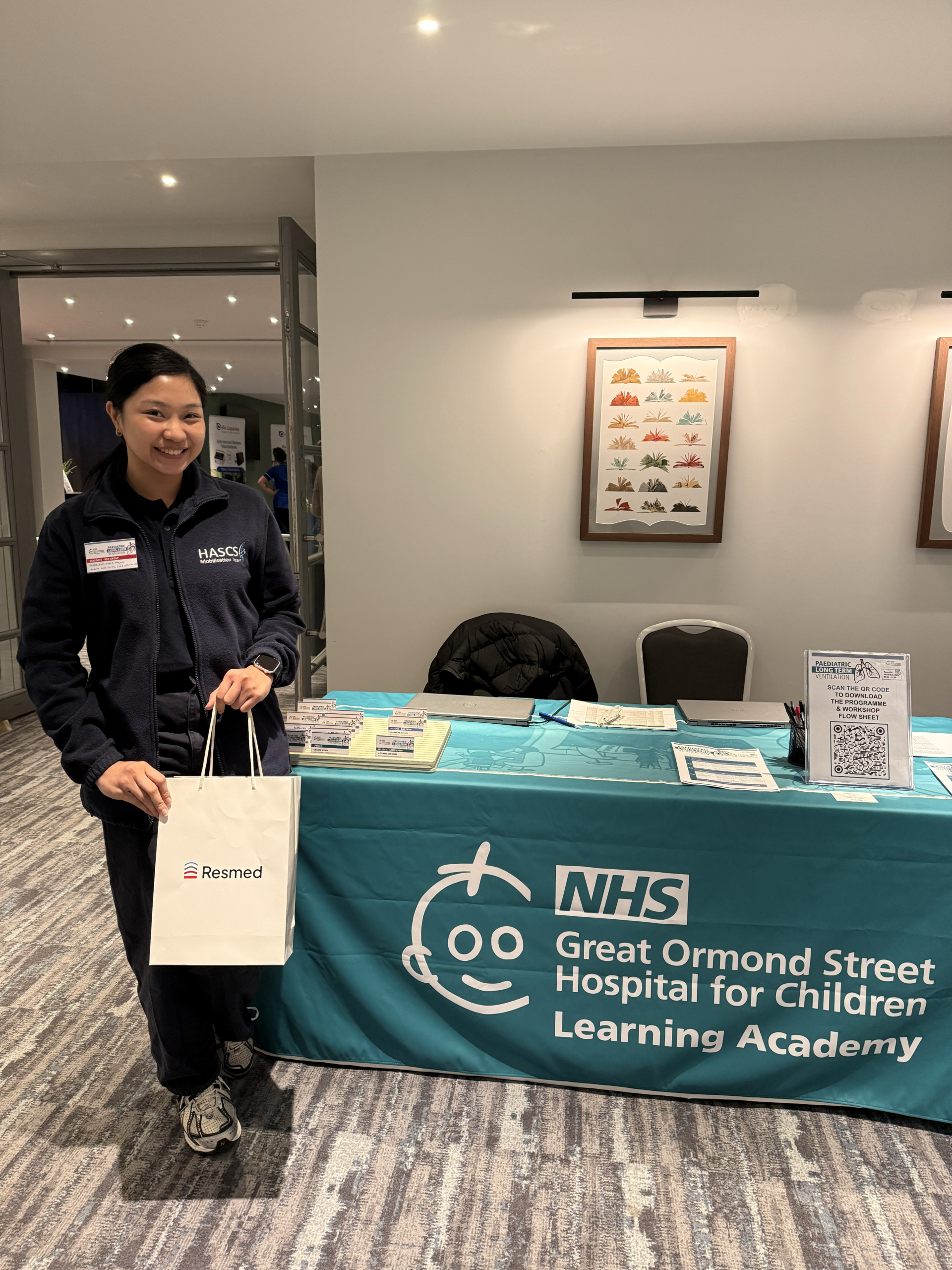


Recently, some of our team attended a Paediatric Long-Term Ventilation Course delivered by Great Ormond Street Hospital and Charity. It was an opportunity to step beyond day-to-day delivery of care and focus on developing the practical skills, clinical understanding, and confidence required to support children with complex ventilation needs.
For providers working in complex care, training like this is not an optional extra. It is a core part of delivering safe, responsive, and person-centred support.
Why specialist ventilation training matters
Caring for children who require long-term ventilation involves a level of clinical responsibility that goes far beyond routine care. Ventilator management, airway support, and monitoring all require not only technical skill, but the ability to think clearly in unpredictable situations.
While standard training has an important place, it often cannot replicate the complexity of real-life scenarios. In contrast, specialist programmes rooted in clinical expertise provide hands-on learning that reflects the realities of care. This includes understanding how equipment behaves in practice, recognising early signs of deterioration, and responding calmly when something does not go to plan.
At HASCS, we recognise that this depth of understanding is essential. Our approach to care is nurse-led, with a strong emphasis on ensuring that teams are both clinically competent and confident in their decision-making.
From knowledge to confidence in practice
One of the most valuable aspects of this course was the focus on practical application. Learning through doing builds confidence in a way that theory alone cannot.
When training reflects the situations care professionals may face, it supports the development of:
- Strong clinical judgement in time-sensitive situations
- Confidence in using specialist equipment correctly
- Clear communication within teams and with families
- The ability to adapt care safely as needs change
These are the foundations of high-quality complex care. As seen across effective training approaches, confidence grows not from simply completing modules, but from engaging with realistic scenarios and learning from experienced clinicians.
Supporting better outcomes for children and families
For families, the impact of well-trained care teams is significant. Ventilation support often forms part of a wider, carefully balanced care plan delivered at home or in the community. It requires sensitivity, precision, and an understanding of how clinical care fits into everyday life.
Training like this strengthens our ability to provide care that is:
- Safe and clinically robust
- Respectful of the child’s routines and environment
- Collaborative, working alongside families and other professionals
- Responsive to change, whether gradual or sudden
At its heart, complex care is about more than meeting clinical needs. It is about maintaining dignity, supporting independence where possible, and building trust with the people we support.
Continuing to invest in learning
Courses such as the Paediatric Long-Term Ventilation Programme reflect something important about how we approach care at HASCS. We are committed to ongoing learning, ensuring that our teams continue to develop alongside advances in clinical practice.
By investing in specialist training, we can confidently support children with high-dependency needs and provide reassurance to the families who rely on us.
If you would like to learn more about our training approach or how we support complex care packages, our team is always happy to talk.